Evidence in the image
Color, shape, food appearance or globe position provides information the player must interpret.
Daily games, critically selected.
Help players choose a daily game that rewards visual interpretation instead of relying only on factual recall or long written clues.
Six daily games where shape, color, position, or the arrangement of information matters before a conventional answer appears.
These games begin with looking. Some ask you to decode a compressed symbol, some turn color or geography into a judgment, and others make the arrangement of pieces part of the problem itself.
Independently selected · Reviewed July 28, 2026
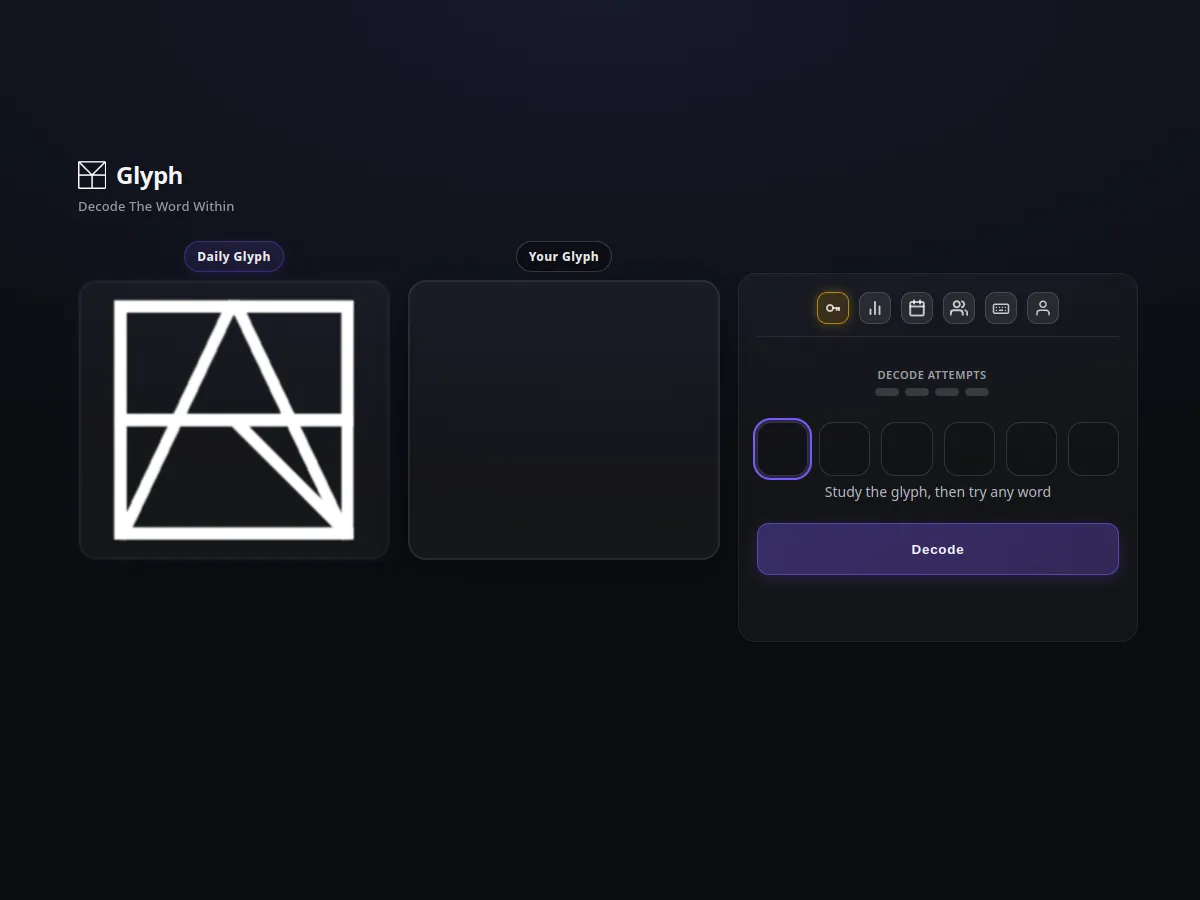 Start with GlyphIts entire word is compressed into one layered mark, so the first useful move is visual separation rather than a dictionary search.
Quick answer
Start with Glyph for pure visual decomposition, choose ColorGuesser when perception itself should be scored, or use MapTap when the visual decision should be spatial rather than symbolic.
One layered mark contains the whole word, making stroke separation the first task.
Best color judgmentColorGuesserTranslate one written color name into a precise position on a continuous wheel.
Best spatial judgmentMapTapRotate a globe and turn a place clue into one committed geographic tap.
The definition
The image, position or arrangement must carry information needed to solve the task. Removing the visual layer would materially change the decision rather than only change the presentation.
Color, shape, food appearance or globe position provides information the player must interpret.
Selecting a wheel position, globe point or exposed tile is part of the reasoning rather than a decorative control.
The result exposes distance, preference, hidden structure or a newly visible board state.
Choose a route
Decide whether the satisfying moment should come from separating shapes, judging color, placing a location, comparing images, planning a board or adapting to a new visual format.
Decode several overlapping letters from one geometric mark before submitting the word.
I want to judge colorColorGuesserPlace a named color on a wheel and compare the choice with a measured target.
I want to think spatiallyMapTapTurn a short place clue into direction and distance on a rotatable globe.
I want to compare imagesScrandleChoose which of two food photographs received the stronger public verdict.
I want a changing boardStackdownRead exposed letters as a spatial layer that changes after every selected word.
I want changing formatsBrainerReinterpret the prompt and controls as the daily questions shift their arrangement.
The curated set
Each selection makes shape, color, position or arrangement part of the actual evidence rather than decoration around a text answer.
Start here
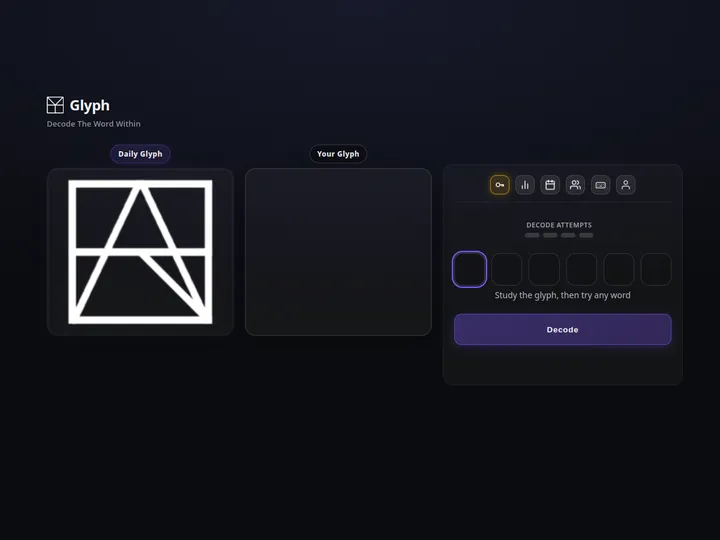
Its entire word is compressed into one layered mark, so the first useful move is visual separation rather than a dictionary search.
Color perception
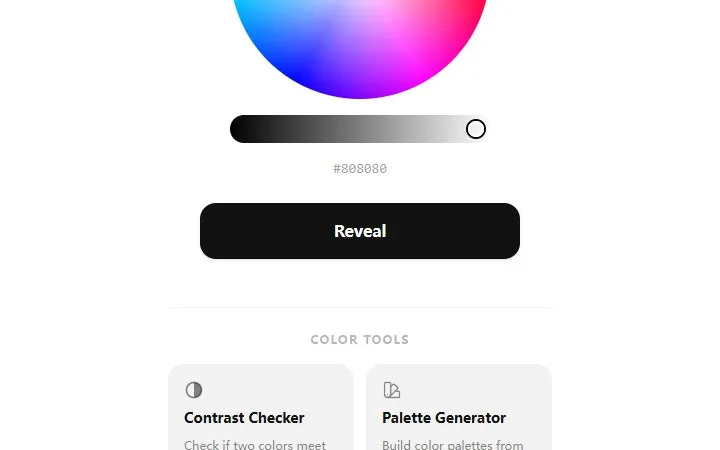
It turns the gap between a color name and a remembered appearance into the puzzle, making perception itself the daily evidence.
Globe placement
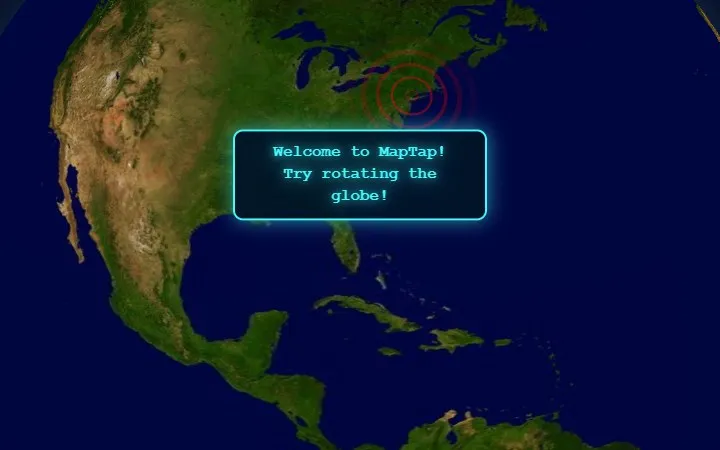
A rotatable globe keeps distance and direction visible, so place knowledge becomes a spatial commitment instead of a multiple-choice answer.
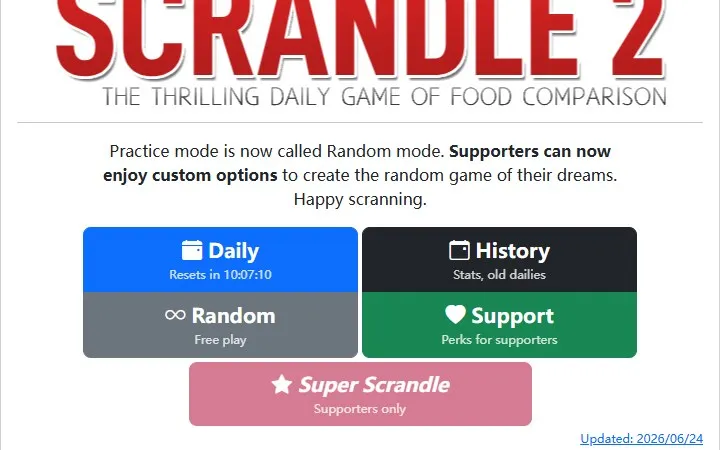
Image comparison
Two food images carry most of the evidence, asking players to predict public taste from appearance before seeing the stronger verdict.
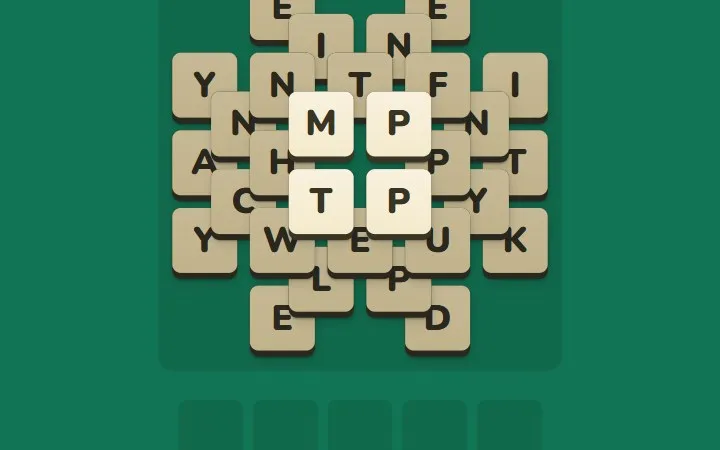
Layered board
Overlapping tiles turn word finding into visual route planning because every exposed choice changes which letters can appear next.
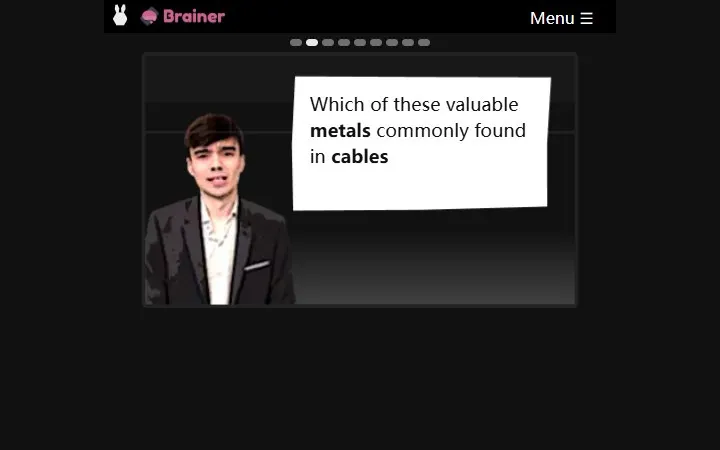
Changing formats
Its changing question formats make players repeatedly reinterpret how information is arranged instead of repeating one trivia interaction.
At a glance
Each game begins with something visible, but the useful distinction is whether the player reads shape, color, position, comparison, board state or changing layout.
| Game | Visual evidence | Main interaction | What the reveal shows | Supporting knowledge |
|---|---|---|---|---|
| Glyph | Layered letter mark | Decode and enter a word | Separated word structure | Vocabulary |
| ColorGuesser | Named color | Choose on a wheel | Target distance and score | Color perception |
| MapTap | Rotatable globe | Place one tap | Geographic distance | Place knowledge |
| Scrandle | Two food photos | Pick one image | Public preference | Visual taste prediction |
| Stackdown | Exposed tile layers | Select letter tiles | New board layer | Word formation |
| Brainer | Changing prompt layouts | Use the shown control | Question result | Flexible reasoning |
How to choose
It removes most contextual clues and makes the layered mark itself the central piece of evidence.
The decision is continuous rather than right-or-wrong at first glance, making small visual differences meaningful.
It turns geographic recall into orientation and distance on a globe instead of a typed place answer.
Choose it when the arrangement should evolve after every move and affect the next set of words.
Editorial boundary
An illustrated interface is not enough. These games stay in the set only when visual evidence changes the player's decision.
A game is not included when images only frame a task that would play identically as plain text.
Long written clues and factual recall do not qualify unless visual arrangement materially changes the answer process.
The set favors a visual decision or interaction, not simply naming an isolated picture without further structure.
Selection method
Questions, answered
Glyph is the purest visual decode here, while ColorGuesser is easier to enter if you prefer continuous color judgment.
MapTap asks players to rotate a globe and commit one location from a short clue, making direction and distance central.
ColorGuesser focuses on perception, while Glyph and Stackdown combine visual structure with word knowledge.
No. Stackdown uses a changing tile board, ColorGuesser uses a wheel, and Brainer changes the arrangement and control of its prompts.
Stackdown changes the exposed tile layer after valid words, while Brainer changes format between separate questions.