 Progressive portrait route
Start here
Facedle
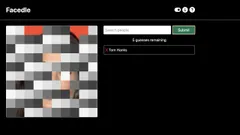
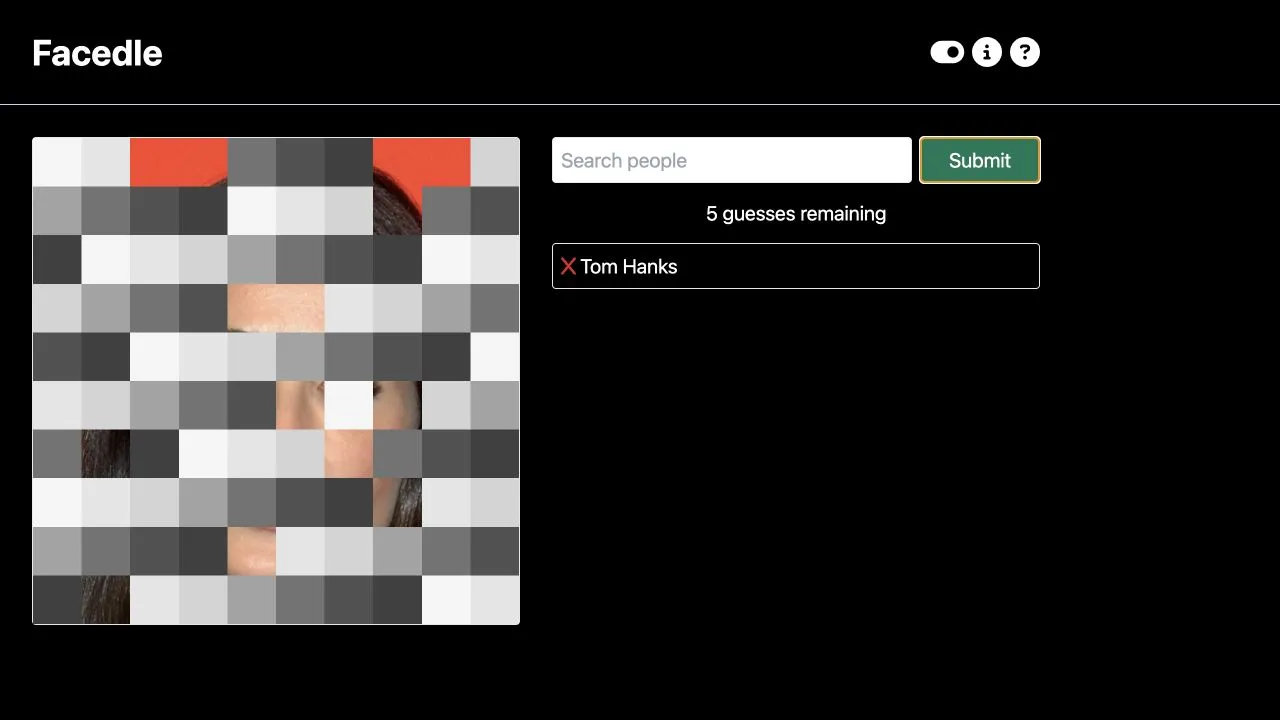
Every wrong name or skip reveals more of the same hidden celebrity image.
Daily games, critically selected.
Daily Game Index Guide
Daily visual guessing games that preserve Framed's recognition challenge while changing the target from a movie to a face, artist, place or moment in a film.
Start with Facedle for the clearest progressive-image alternative. Choose Actorle Storyboard when film knowledge should remain central, or WhereTaken when each visual clue should support geographic deduction.
Progressive portrait routeStart here
Every wrong name or skip reveals more of the same hidden celebrity image.
01 / Choose
Choose between a progressively revealed subject, a movie-centered clue trail, or an image that asks for place and time rather than a title.
02 / Definition
The closest alternatives begin with incomplete visual evidence, make every additional clue reduce ambiguity and finish with one recognizable subject rather than a general image quiz.
The first view hides enough information to make an early answer meaningfully difficult.
A miss, skip or next round reveals a clearer frame, tile, fact or context.
The answer is a film, person, place, date or another visible subject.
Waiting for more evidence improves accuracy but weakens the result.
The bounded reveal ends with one shared answer or scored set.
03 / Context
Film still recognition can become highly dependent on one viewing history. Visual alternatives preserve the reveal curve while drawing on faces, artworks, posters, geography or chronology.
The editorial view
Faces, artworks, posters and places give the same recognition tension to a different kind of visual memory.
Distance, direction, timeline scoring and crowd results can add deduction after recognition fails.
One hidden image and a five-round historical set do not demand the same session length.
04 / Core list
The list distinguishes image reveal from film trivia and spatial deduction, so a shared screenshot does not imply the same solving experience.
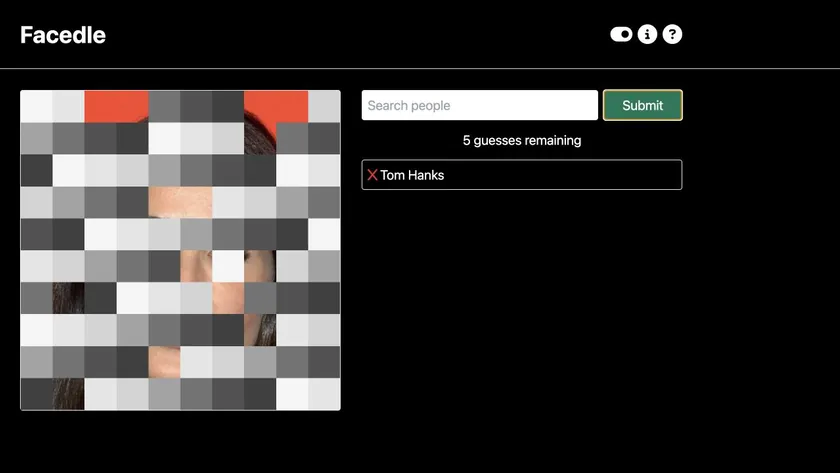
A progressive-image alternative, with a celebrity portrait replacing the sequence of movie frames.
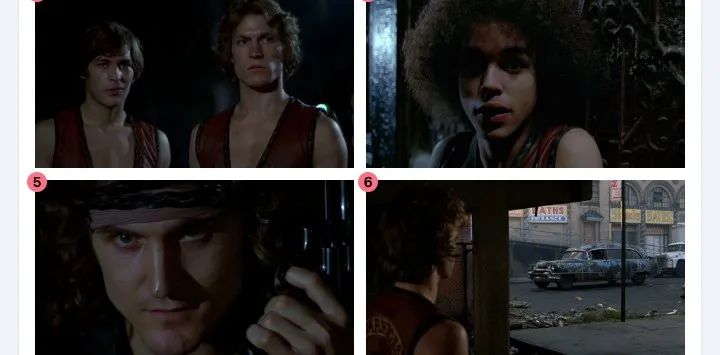
A film-adjacent route where a storyboard of movie evidence points toward one actor.
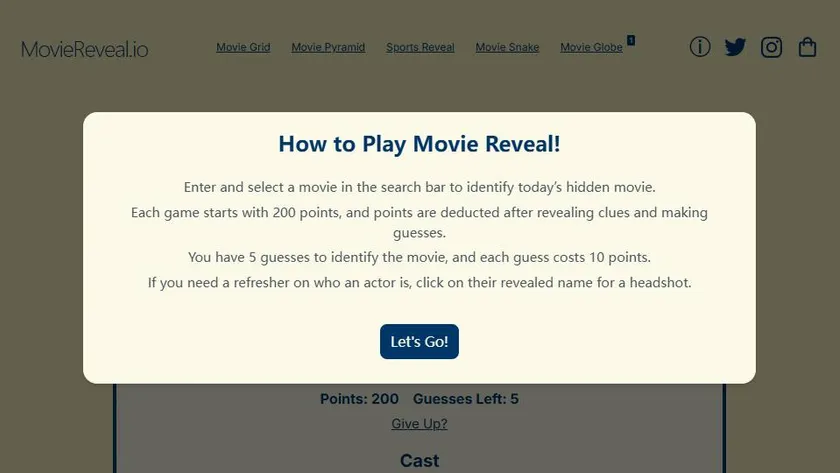
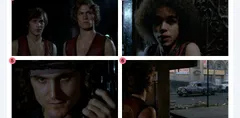
A direct movie-guessing alternative that reveals information rather than relying only on successive frames.
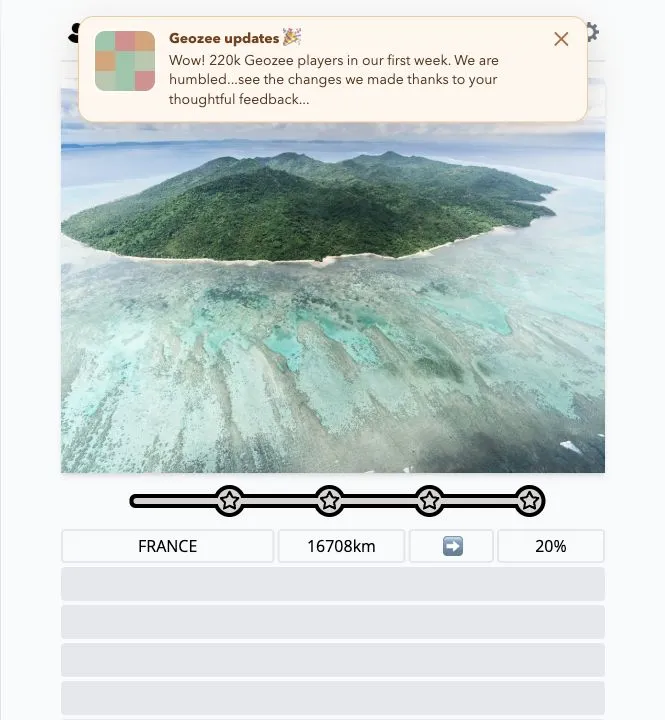
A visual deduction game where every country guess adds geographic evidence to the photograph.
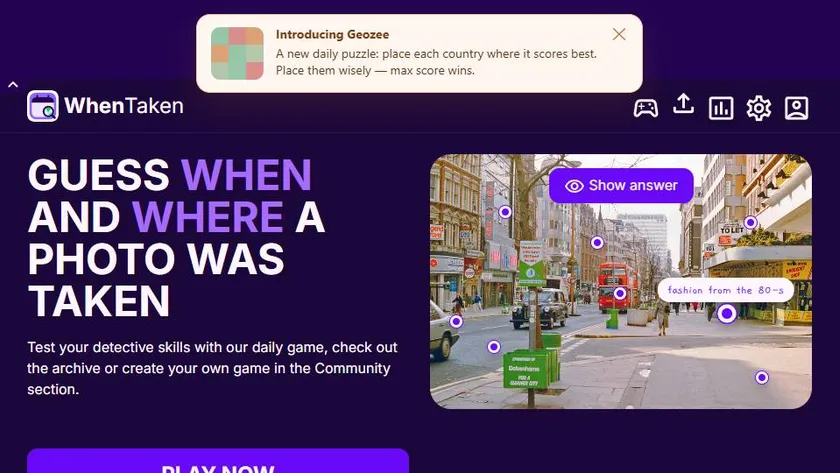
A longer visual alternative, asking where and when across five historical photographs.

A museum-backed progressive reveal where four artworks point toward one artist.
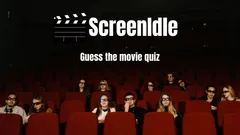
A direct movie-image route built around identifying the current poster, with two text-led companion modes.
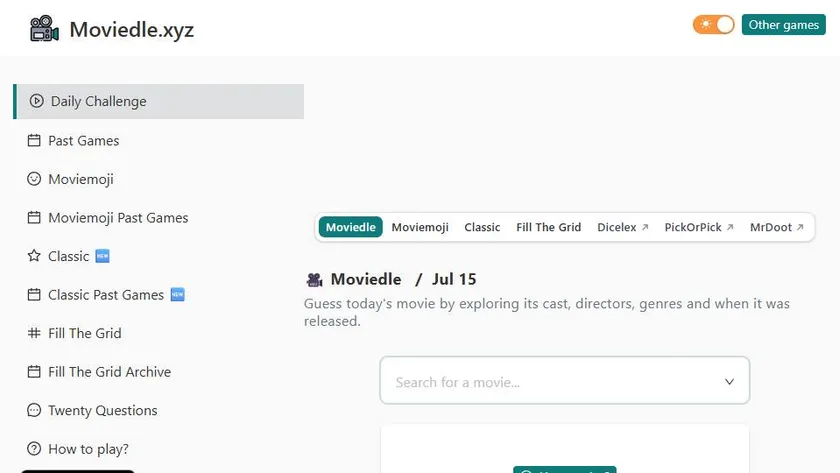
A daily movie route centered on identifying films through actor knowledge and sharing the result.

A movie still becomes evidence for both the scene's in-universe location and year.
05 / Go deeper
These paths show which games preserve progressive visual evidence, which keep cinema, and which make observation serve a different answer.
Closest reveal
These games preserve the tension between an early confident answer and waiting for clearer visual evidence.
Keep the movies
These alternatives remain in cinema but shift from frame recognition toward casts, posters or a scene's setting.
Change the visual skill
The shared daily image remains, but the answer depends on geography, chronology or recognition across several related artworks.
06 / Compare
The table separates progressive-image substitutes from games that keep only the visual recognition or daily entertainment subject.
| Game | Subject | Main clue | Target | Cadence | Verification |
|---|---|---|---|---|---|
| Facedle | Celebrities | Tiled portrait | Famous person | Daily | Hands-on check |
| Actorle - Storyboard | Movies | Film evidence | Actor | Daily | Rules checked |
| Movie Reveal | Movies | Revealed information | Movie | Daily | Rules checked |
| WhereTaken | Geography | Travel photograph | Country or territory | Daily | Hands-on check |
| WhenTaken | History and place | Historical photographs | Location and year | Daily | Hands-on check |
| Artle | Art | Up to four artworks | Artist | Daily | Rules checked |
| ScreenIdle | Movies | Movie poster | Movie | Daily | Mode checked |
| Moviedle | Movies | Actor relationships | Movie | Daily | Rules checked |
| WhenTaken Movies | Movie settings | Film still | Location and year | Daily | Rules checked |
07 / Decide
Start with the target you want to identify, then decide whether mistakes should reveal more of one image or shift you toward facts, maps, or timelines.
Facedle reveals more of one portrait, Artle adds related artworks, and WhereTaken adds geographic feedback to the same photograph.
Actorle Storyboard, Movie Reveal and Moviedle change the clue system while staying inside film knowledge.
WhenTaken rewards historical chronology, while WhenTaken Movies uses costume, architecture and landmarks inside a film scene.
Facedle is a compact reveal, while WhenTaken uses a larger five-round place-and-time set.
08 / Standards
Recommendations are grouped by what they preserve from Framed: incomplete visual evidence, a progressive reveal, a movie target or a bounded daily recognition result.
09 / Questions
Facedle is the closest progressive-image recommendation because each wrong guess or skip reveals more of one hidden portrait.
Actorle Storyboard, Movie Reveal, ScreenIdle, Moviedle and WhenTaken Movies keep film knowledge while changing the clue or answer target.
WhereTaken begins from one travel photograph and adds distance and direction feedback after each country guess.
WhenTaken uses five historical photographs and asks for both location and year, making it a larger session than a single Framed board.
No. Some preserve only visual recognition or the daily entertainment subject; the page labels those changes explicitly.