 Interlocking-word route
Start here
Thirdle
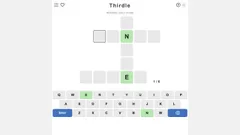
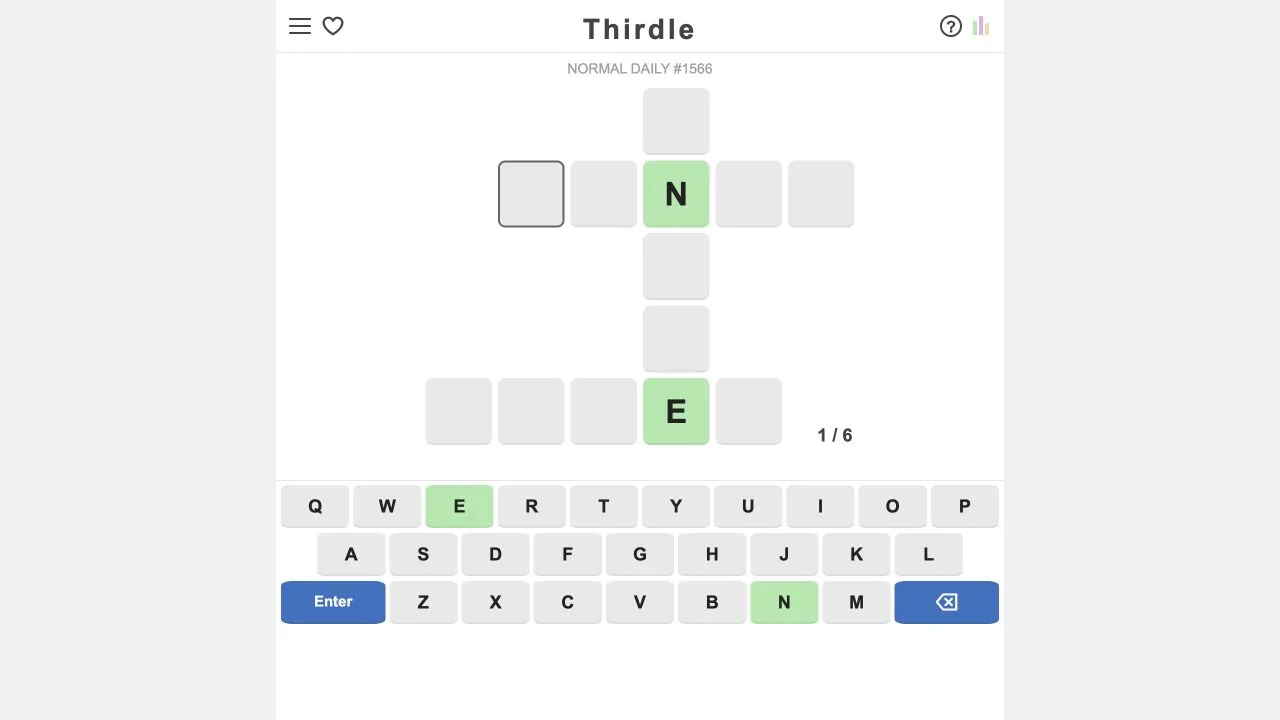
Three crossing five-letter answers share fixed positions and feedback.
Daily games, critically selected.
Daily Game Index Guide
Daily word puzzles that keep Waffle's constrained letter reasoning while changing the grid, objective, movement or route through the answer.
Start with Thirdle for interlocking answers. Choose Squareword when every row and column must form a word, or Squardle for a six-word 5x5 grid with row, column and square feedback.
Interlocking-word routeStart here
Three crossing five-letter answers share fixed positions and feedback.
01 / Choose
Choose interlocking answers, a fixed letter supply, spatial dependencies, or a square where every row and column must work together.
02 / Definition
Waffle is not only a word game. Its identity comes from a supplied letter system, several answers sharing space and moves that must improve the whole board rather than one isolated guess.
Letters, positions or legal moves are limited before the player acts.
One move affects several words, layers or later decisions.
Position matters alongside vocabulary and letter frequency.
The board shows which placements or constraints must be repaired.
A fixed board, move limit or daily route creates a clear end.
03 / Context
Repeated letter swapping can become procedural even when the vocabulary remains fresh. Alternatives can keep the constrained board while changing intersections, layering, visual encoding or the destination of the word path.
The editorial view
Crosswords, stacks and geometric clues create different spatial dependencies.
Build a complete word square or infer six crossing answers instead of arranging a supplied Waffle grid.
Pixel shapes and locked constraints can replace familiar green and yellow placement clues.
04 / Core list
Each recommendation explains what is fixed, what can move, and how one local letter choice affects the rest of the board.
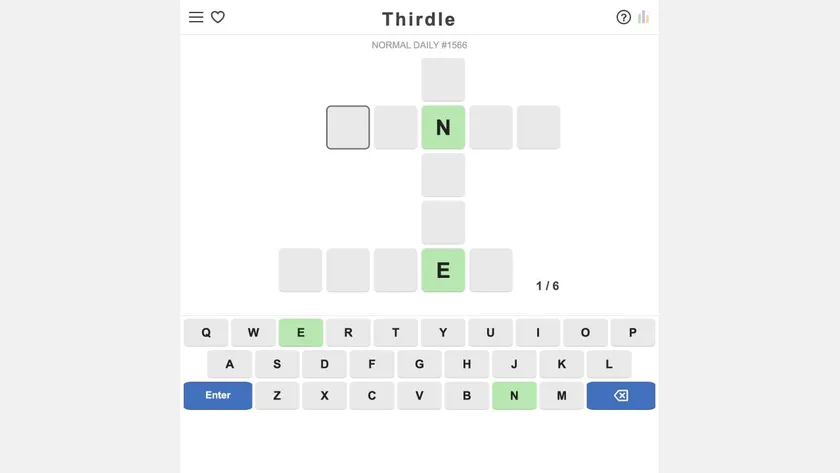
A close alternative for players who want several five-letter answers to share one compact board.
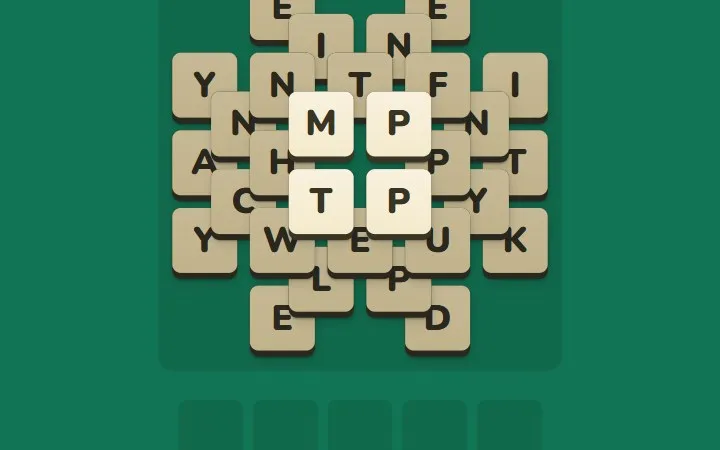
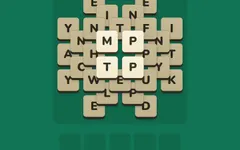
A spatial word puzzle where every exposed tile choice determines the routes available underneath.
A visual letter puzzle that preserves positional deduction while replacing the ordinary alphabet display.
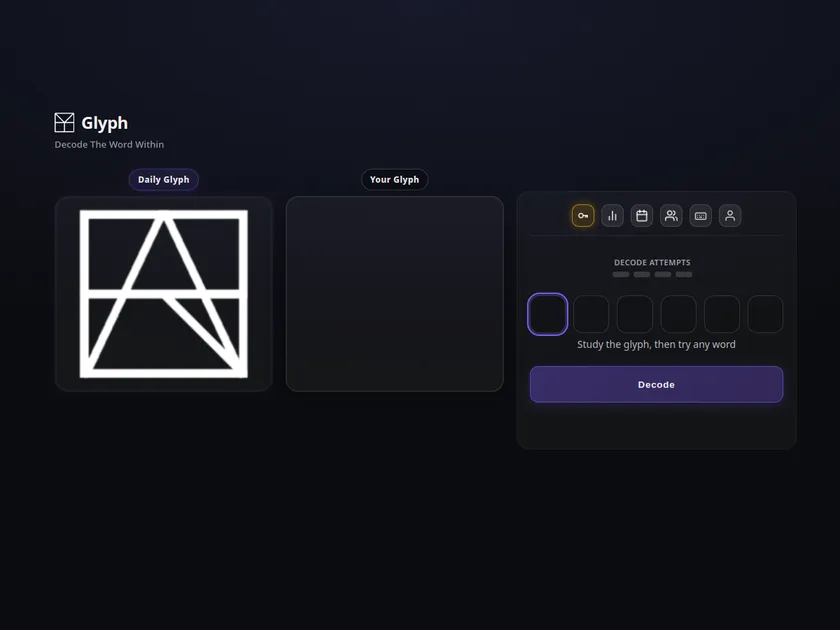
Several letters compressed into one shape create a compact visual planning problem.
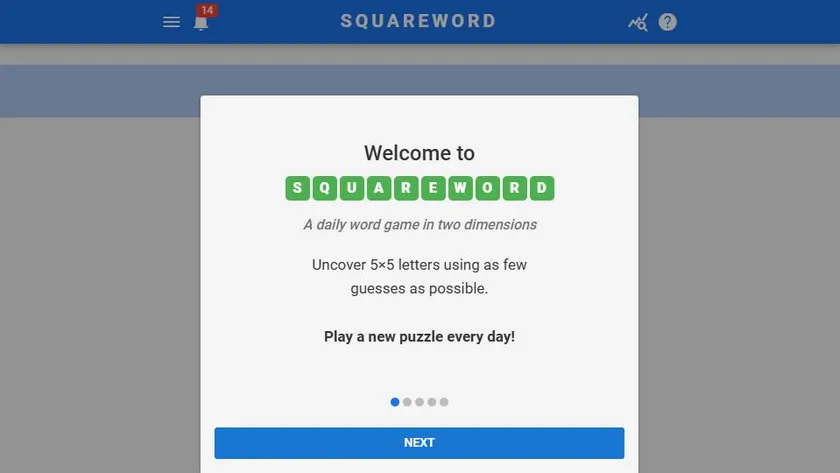
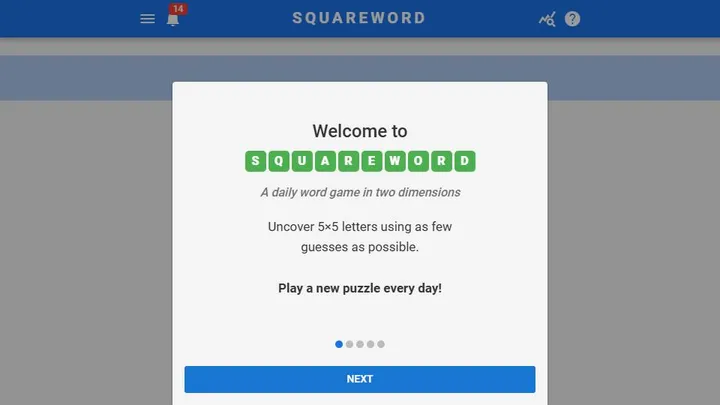
A full 5x5 word square makes every revealed letter serve both a horizontal and vertical answer.
Six crossing words in a 5x5 square create layered positional feedback across the whole board.
05 / Go deeper
These paths separate crossing words, reusable letter evidence, and board-wide placement rules instead of treating every grid as equivalent.
Shared board
These games come closest to Waffle's spatial interdependence even when the exact movement changes.
Changed constraint
The board is no longer a Waffle grid, but every decision still narrows a fixed route.
06 / Compare
The key difference is whether the constraint comes from shared positions, exposed layers, visual glyphs or a legal path.
| Game | Structure | Main action | Feedback | Cadence | Verification |
|---|---|---|---|---|---|
| Thirdle | Three crossing words | Type guesses | Four tile states | Daily | Hands-on check |
| Stackdown | Layered tile stack | Tap words | Exposed layers | Daily with archive | Hands-on check |
| Pixletters | Dot-matrix words | Type guesses | Pixel colors | Daily | Hands-on check |
| Glyph | One layered shape | Mark and type | Visual letter evidence | Daily with archive | Hands-on check |
| Squareword | 5x5 word square | Type five-letter guesses | Revealed grid letters | Daily with archive | Rules checked |
| Squardle | Six crossing words | Type guesses | Square, row and column clues | Daily | Rules checked |
07 / Decide
Start with whether you want crossings, swaps, or full-grid dependencies, then select the feedback style and session length you can sustain.
Thirdle is the smaller route, Squareword expands to ten row-and-column lines, and Squardle couples six answers through multi-axis clues.
Stackdown makes tile access and future board state more important than any single word.
Pixletters and Glyph replace ordinary letters with pixel or geometric evidence.
Squareword reveals a larger grid gradually, while Squardle asks you to interpret square, row and column feedback before the board becomes legible.
08 / Standards
Every recommendation preserves at least one structural trait beyond being a daily word game: constrained supply, shared space, spatial dependence or global move planning.
09 / Questions
Thirdle is the smaller interlocking route; Squareword and Squardle are closer when you want a full square whose answers constrain one another.
Stackdown asks you to form words from exposed tiles while protecting access to the layers below.
Pixletters uses pixel glyphs and Glyph compresses several letters into one geometric mark.
Squareword completes a 5x5 square where five rows and five columns are valid words, giving each cell two jobs.